
Kuari Pass Trek in Winter 2026: The Complete Group Travel Guide

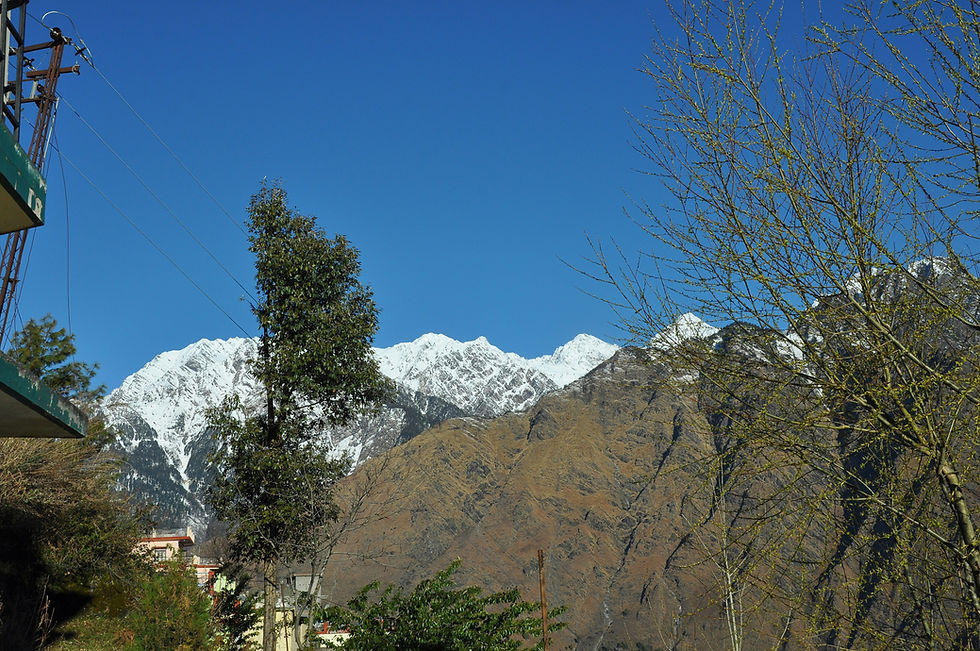
The Kuari Pass Trek in winter is one of the best first snow treks for groups who want big mountain views, fresh snowfall, and the kind of shared memories that stay in every WhatsApp group for years.
Most guides either treat Kuari Pass as a beginner checklist or reduce it to weather charts and packing notes. Neither tells you what a group actually needs to know before heading into the Garhwal Himalayas.
This guide focuses on the full experience, from planning and travel to snow conditions, costs, group dynamics, and trail realities. If you are a young traveller planning a trip with friends, or looking for a first real winter trek that feels rewarding without being overwhelming, this is the guide built for you.
Kuari Pass Trek at a Glance
If you want a short answer, the Kuari Pass trek in winter is a 26 to 28 km Himalayan trek near Joshimath that reaches 3,820 metres and suits fit beginners, though snow makes the trail more demanding between December and March. This quick snapshot gives you the key facts before you start looking at weather, route details, and preparation tips.
Quick Reference Table
Detail | Information |
Location | Garhwal Himalayas, Uttarakhand |
District | Chamoli District |
Altitude at Kuari Pass | 3,820 m (12,530 ft) |
Total Trek Distance | Approx. 26 to 28 km |
Duration from Delhi | 5 Nights / 6 Days |
Difficulty Level | Easy to Moderate; Moderate in Winter |
Base Village | Dhak or Tugasi |
Nearest Town | Joshimath |
Winter Trek Season | December to March |
Historical Name | Curzon Trail (1905) |
Location and Route Snapshot
Kuari Pass sits high above the Alaknanda Valley in Chamoli district of Uttarakhand. The trail starts from Dhak or Tugasi village near Joshimath and climbs through oak forests, snowy clearings, and wide alpine bugyals. By the time you reach the pass, some of the finest mountain views in the region stand right in front of you.
Difficulty and Trek Planning
Most trekkers find the route manageable, the Kuari Pass trek distance stays reasonable and the climbs feel gradual. Winter changes the equation a bit.
Fresh snow, icy patches, and cold mornings demand more effort, which is why the trek shifts from easy-moderate to moderate between December and March. If you can comfortably walk for several hours a day, you are already in a good place to prepare for this trail.
Why Kuari Pass in Winter Hits Different
The Kuari Pass trek changes after November. Snow lands on the trail, forests go quiet, and the whole rhythm slows down. Same route. Different trek.
When Snow Lands on the Trail
Late November strips the autumn colour fast. Dusty tracks turn white. Every climb gets more deliberate. Open meadows and flat sections collect the most snow, which slows your pace but sharpens your focus. You stop rushing between camps. The small things start to show up.
Forests That Feel Sealed Off
Oak and rhododendron forests hit hardest in winter. Branches hold fresh snow. Light cuts through in patches. Sound drops to almost nothing. Some stretches pass with no noise beyond boots on frozen ground. That silence is not a side effect. It's the point.
Cleaner Air, Sharper Peaks
Winter kills the haze. No summer moisture. No post-monsoon blur. Mountain ranges stand out against a colder sky with stronger lines and better contrast. For photography, early morning is the window. The light is low, the air is still, and the peaks are fully visible. Go early. Don't miss it.
What Cold Evenings Do to a Group
Low temperatures pull people together. Warm meals, camp fires, long conversations. Summit day lands harder because everyone earns it together. Same snow, same wind, same early alarm. When the group reaches the pass, there's no need to say much. The shared effort speaks on its own.
Not Kedarkantha. Not Even Close.
Many people stack these two treks side by side. They don't belong together. Kuari Pass runs deeper into forests and stays longer on open ridges. Fewer people use this route. You get long, unbroken stretches of walking with no crowds to weave around. You're not passing through a trekking corridor. You're inside the landscape itself.
Kuari Pass Trek Best Time
The best time for the Kuari Pass trek in winter depends on what you want from the trail. Some groups chase fresh snowfall. Others want easier walking days and milder nights. Each winter month feels different. Pick the wrong one and it shapes everything.
December
December is when real winter starts on Kuari Pass. Fresh snow settles across the forests, meadows, and ridgelines. The trail holds that clean white look many trekkers travel here for. Lower sections feel untouched early in the month before the season picks up.
Crowds are thin. That means quieter campsites, fewer people on summit day, and more room to move at your own pace. For photography, December skies tend to run crisp and clear. Morning light against new snow is hard to beat.
Days stay walkable when the sun is out. Nights bite hard. Temperatures drop fast after sunset, so warm layers are not optional here. December works well for groups after snowy scenery and strong photo days without the busiest trail period.
January
January is full winter. Snow depth often peaks this month, which is why planning ahead matters, similar to how groups approach the Kedarkantha trek in January on nearby trails. Forests, campsites, and open slopes turn into one white stretch. If the image in your head is a classic Himalayan snow trek, January is the closest thing to it.
The visual reward is real. Snow-covered oak forests look unreal after a fresh fall. Distant peaks stand sharp against blue sky. Many trekkers rate January as the most photogenic month on this route. Nearly every section holds a winter look.
Those rewards ask something in return. Nights and early mornings hit their coldest point. Deep snow can hide trail sections. Route finding gets harder. Strong leaders and local guides matter most here. January is for groups who already know how to handle cold and want the fullest snow the route offers.
February
February often strikes the best balance. Snow stays thick across most of the trail. Days start feeling a bit warmer than January. You still get the snowy scenery. Conditions just become a bit friendlier.
Longer daylight hours help too. The sun sits higher. Campsites feel better in the afternoon. The sharp chill that lingers through January starts to lift. Lower trail sections may show early signs of seasonal shift, with rhododendron buds slowly pushing out on branches.
For many trekkers, February is the sweet spot. The trail still looks firmly wintery. Summit views stay great. Weather is often easier to read and plan around. If this is your first snow trek with a group, February gives you the best mix of scenery, comfort, and safety.
March
March signals the slow shift from deep winter toward spring. Snow thins on lower stretches, though higher sections and the pass itself often hold good cover. You still get winter conditions. Fewer of the harsh ones.
Warmer days make long trekking hours easier. Campsites feel good in the afternoon. Routine tasks like packing gear stop being a battle against the cold. Summit views stay impressive, especially on clear mornings after fresh overnight snowfall.
March also brings practical advantages. More operators run regular departures. Availability goes up. Group pricing can improve. March suits trekkers who want snow, easier trail days, and a slightly relaxed winter trip, much like what groups experience on the Brahmatal trek in March.
Month | Snow Level | Daytime Temp | Night Temp | Crowd Level | Best For |
December | Moderate to High | 8°C to 12°C | -5°C to 0°C | Low to Moderate | Fresh snowfall, quieter groups, photography |
January | Very High | 5°C to 10°C | -8°C to -3°C | Moderate | Deep snow, experienced winter trekkers |
February | High | 7°C to 12°C | -5°C to 0°C | Moderate | First snow trek, balanced conditions |
March | Moderate | 10°C to 15°C | -2°C to 3°C | Moderate to High | Easier trekking, warmer weather, better access |
Kuari Pass Winter Temperature and Trail Conditions
The Kuari Pass trek feels different every month. Snow depth, trail grip, wind, and daylight all shift as winter moves through. December can feel mild in the morning. February on the same trail asks a lot more from you.
Month | Daytime Trail | Campsite Night | Snow Depth (Lower) | Snow Depth (Upper) | Risk Level |
December | 2°C to 10°C | -5°C to -10°C | Light to Moderate | Moderate to Deep | Moderate |
January | -2°C to 7°C | -10°C to -15°C | Moderate | Deep | High |
February | -3°C to 6°C | -10°C to -15°C | Moderate to Deep | Deep | High |
March | 0°C to 8°C | -5°C to -10°C | Light to Moderate | Moderate to Deep | Moderate |
Daytime Temperatures on the Trail
Day temps on the trail run from -3°C to 10°C. Altitude, cloud cover, and the month you pick all change the feel. Lower sections near Dhak and Gulling stay far warmer than the upper camps.
Fresh snow bouncing sunlight fools you. It looks warm. It is not. Many first-time trekkers unzip jackets early, then hit a shaded forest patch and feel the cold fast. The sun can feel strong while the air stays bitter.
Wind is the real game-changer. Two degrees sounds fine until a ridge gust hits. Wind chill drops that number fast. Cross the exposed sections near Khullara and you notice it right away. Stop for a break and you feel it harder.
Campsite Night Temperatures
Camps at Khullara and Tali drop to -10°C or -15°C in January and February. Cold locks in fast after sunset. Frost forms on tents before you finish dinner. The sharpest drops come between midnight and just before sunrise.
A closed tent holds warmth well. Inside can run 8°C to 10°C warmer than the air outside. That gap matters. But your gear does the real work here, not how tough you think you are.
Most trekkers underpack for the nights. A sleeping bag rated to at least -10°C beats piling clothes inside a thin bag. Thick socks, a warm cap, and dry base layers matter more than a spare fleece. Pack smart before you leave Joshimath.
Snowfall and Trail Condition by Elevation
Snow builds as you climb. Below 3,000 metres, areas like Dhak and Gulling often see patchy cover in early December. Some years the lower trail stays mostly clear until the month's second half. Don't assume deep snow near the base.
Higher up, the picture shifts. Tali and Khullara sit above 3,500 metres. Snow builds steadily from mid-December. By January and February, deep cover sits across long stretches of the route. Plan for it.
Summit day brings icy ground, something first-timers often miss when reading about how long the Chopta Tungnath trek or similar Garhwal trails takes. The ridge near Kuari Pass builds a hard crust after freeze-thaw cycles repeat.
Late February and March see this most. Warm afternoons and cold nights harden the snow surface overnight. Good grip on your shoes matters far more than pace.
Wind and How Clear the Sky Stays on Summit Day
Summit day runs colder than the rest of the trek. Ridge sections above Khullara have no cover. Wind hits you straight. The thermometer may read -5°C. Wind chill pushes it closer to -15°C. That gap catches groups off-pace fast.
Clear views do not last the whole day. Clouds build as morning goes on. By noon, how far you can see often drops. Trek leaders start early for a reason. You get firm snow, calm air, and the big Himalayan peaks before the clouds close in.
When the sky narrows, stick to the trail. Fresh snow buries tracks. Landmarks vanish in minutes. Slow down, keep your layers on, and follow guide calls. Do not push ahead to chase a view.
Kuari Pass Trek Cost
A Kuari Pass trek in winter costs between ₹8,500 and ₹24,000 per person, broadly in line with what you'd budget for the Kedarkantha trek cost or a comparable Har Ki Dun trip. That range is wide. Transport and gear are often what push the number up, not the package itself. A group of eight can close that gap fast.
Trek Package Cost
Most fixed packages cover the core trek. Budget operators use basic stays and larger batches. Mid-range hits a sweet spot between price and comfort. Premium operators run smaller groups with better support staff and better rooms.
Cost Head | Budget (Group of 8) | Mid-Range | What It Covers |
Trek Package | ₹8,500–₹11,000 | ₹12,000–₹16,000 | Hotel, guide, permits, campsite, trail meals |
Delhi to Joshimath | ₹2,500–₹3,500 | ₹4,000–₹6,000 | Shared cab, bus, train, or split vehicle |
Gear Rental | ₹800–₹2,000 | ₹1,500–₹3,000 | Jacket, poles, gaiters, spikes, sleeping bag |
Joshimath Meals | ₹500–₹1,000 | ₹1,000–₹1,500 | Meals before and after the trek |
Total | ₹12,300–₹17,500 | ₹18,500–₹26,500 | Full trip budget |
What Packages Usually Cover and What They Don't
Most packages include permits, guides, campsite crew, trail meals, and a place to sleep. That covers the bulk of your spend. Transport to Joshimath, personal shopping, insurance, and gear rental sit outside the package. Know this before you book.
Delhi to Joshimath: Where Groups Win
Transport is where most solo trips overspend. A private vehicle shared by six to eight people cuts the per-person fare fast. Solo trekkers piece together buses, trains, and shared cabs. It often costs nearly the same but leaves less room to adjust plans. Split the total by seats filled. That number usually surprises people.
Gear Rental: Buy Nothing You Don't Need
Not everyone owns winter trekking gear. No need to. Joshimath has rental shops stocked with jackets, microspikes, gaiters, poles, and sleeping bags. Rent only what's missing from your kit. That keeps the bill small.
Total Budget and the Group Advantage
Budget-focused groups finish the trip for ₹12,000 to ₹18,000 per head. Those who want better rooms and smoother transport spend ₹18,000 to ₹26,000. A ₹24,000 vehicle split eight ways costs ₹3,000 per person. Often cheaper than stringing together shared rides. Do the math before booking anything.
Day-Wise Itinerary for Kuari Pass Trek
The Kuari Pass trek runs across six days. Each day brings a clear shift in terrain. Busy mountain roads give way to Garhwali villages, then snow forests, wide bugyals, and high Himalayan ridges. The pace is steady. Your body gets enough time to adjust without the days ever feeling slow.
Day 1: Delhi or Rishikesh to Joshimath
This is a travel day. The road follows the Alaknanda valley, the same route covered in detail in our Kuari Pass trek itinerary guide. Keep an eye out for Devprayag and Karnaprayag along the way. Both confluences are worth a short stop. By evening, you reach Joshimath at 1,890 m. The cooler air starts the acclimatisation process before the trail begins.
Distance: About 250 km from Rishikesh
Drive time: 8 to 10 hours
Altitude: From 372 m up to 1,890 m
Stay: Hotel or guesthouse in Joshimath
Meals: Dinner
Day 2: Joshimath to Dhak, Trek to Gulling Top
The road ends here. The trail begins. Dhak still feels connected to the world below, but that changes fast once the path climbs above the village. Stone houses and terraced fields give way to oak forest. This is the day your mindset shifts from travel mode to trek mode. The mountains finally feel close.
Trek distance: 5 to 6 km
Duration: 4 to 5 hours
Altitude gain: About 900 m
Camp altitude: Around 2,900 m
Key landmarks: Dhak village, Tugasi village, oak forest sections
Day 3: Gulling Top to Tali Forest Camp
The forest thickens. The trail grows quiet. In peak winter, snow starts showing in larger patches underfoot. Dronagiri rises ahead on clear mornings. It grabs your attention fast. No need to rush this section. A slow and even pace keeps energy steady and lets the scenery do its work.
Trek distance: About 5 km
Duration: 4 to 5 hours
Ascent: Moderate and gradual
Trail type: Forest paths, snow sections, rolling terrain
Camp: Tali Forest Camp
Watch for: Dronagiri views, fresh snowfall, forest birds
Day 4: Tali Forest to Khullara, Summit Push to Kuari Pass and Back
This is the key day. Start early. The route climbs through Khullara before reaching open ridges. Views begin to open up in every direction. The final push to Kuari Pass is hard on snow. The reward is fast. Nanda Devi, Dronagiri, Kamet, Hathi Ghoda, and Chaukhamba stand across the horizon. Most groups return to camp before dark.
Total time: 10 to 11 hours
Round trip distance: 12 to 14 km
Highest point: 3,814 m at Kuari Pass
Safety notes:
Start before sunrise
Stay with the group on snow sections
Follow the guide's pace near the pass
Carry headlamps even in clear weather
Water:
Reliable sources are limited on summit day
Carry extra from camp
Day 5: Khullara to Auli via Gorson Bugyal
Many groups call this the best day on the route. Gorson Bugyal spreads out white through winter. The open views feel very different from the forest trail of the days before. Nanda Devi often glows in the soft morning light. The descent stays gradual. Tired legs get a break as you move toward Auli.
Trek distance: 8 to 10 km
Duration: 5 to 6 hours
Descent: Mostly gradual
Highlight: Snow-covered Gorson Bugyal
Optional: Skiing in Auli during winter season
Stay: Hotel in Auli or Joshimath
Day 6: Auli or Joshimath to Rishikesh or Delhi
The road back gives you time to process the week. Roads that felt long on the way up seem shorter now. If your schedule allows a half day in Rishikesh, use it. Walk the old ghats. Sit by the Ganga. Eat a slow meal. A clean finish after six days on the trail.
Drive distances:
Joshimath to Rishikesh: About 250 km
Joshimath to Delhi: About 500 km
Drive time:
To Rishikesh: 8 to 10 hours
To Delhi: 12 to 14 hours
Suggested stop: Devprayag, where the Bhagirathi meets the Alaknanda
Essential Packing List for Winter Kuari Pass
Your gear works with the mountain or against it. Snow, wind, and long hours outdoors drain energy fast. Pack for warmth, moisture control, and safety first. Every item in your backpack should solve a real problem on the trail.
Clothing Layers (Base, Mid, Outer)
Layering beats bulky winter wear every time. A good system traps heat, pulls sweat away from skin, and lets you adjust as the day shifts. Get this right and the cold stops being a problem.
Base Layer: Merino wool or synthetic thermal top and bottom. Cotton holds moisture and turns cold fast after hard climbs.
Mid Layer: Fleece or lightweight insulated jacket for heat during breaks and cold mornings.
Outer Layer: Waterproof, windproof shell with a hood. It needs to breathe and block ridge winds at the same time.
Down Jacket: Insulated down with 600 to 800 fill power. Essential at camp and on early summit mornings.
Trekking Pants: Quick-dry pants with thermal bottoms on colder days.
Extra Socks: Three to four pairs of wool trekking socks. Keep one dry pair only for camp.
Footwear and Traction
Cold feet end a good trek fast. Snow-covered trails near Khullara demand grip and ankle support. Do not cut corners here.
Trekking Boots: High-ankle waterproof boots with strong grip soles. They prevent ankle twists on uneven snow.
Micro-Spikes: Useful on icy packed-snow stretches, mostly during early morning walks.
Gaiters: Strongly needed above Tali. They stop snow from getting into boots and keep socks dry.
Camp Footwear: Light sandals or slip-ons for evenings at the campsite.
Winter Accessories
Small items do not fix big problems. But the right small items stop big problems from starting. Exposed skin loses heat fast at altitude.
Balaclava: Covers the face and neck in cold ridge winds.
Buff or Neck Gaiter: Adds a layer around the neck and doubles as face cover.
Gloves: Thin liner gloves plus insulated waterproof outer mitts.
Wool Cap: For camp and early morning starts.
UV-Rated Sunglasses: Category 3 or 4 protection cuts snow blindness risk on bright days.
Sun Protection: SPF 50+ sunscreen and SPF lip balm. Winter sun at altitude hits harder than most people expect.
Safety and Medical Kit
Most trekkers underestimate how far away real medical help is. A compact kit adds almost no weight. It matters a lot if something goes wrong.
Diamox: Carry only after a doctor confirms suitability and dosage for you.
Basic First Aid Kit: Bandages, antiseptic cream, pain relief tablets, and personal medicines.
Blister Kit: Moleskin tape, blister pads, or sports tape for hotspot care.
Hand Warmers: At least 10 pairs for a 6-day trek if cold hits you hard.
Emergency Whistle: Useful in low-visibility or emergency moments.
Reusable Water Bottles: Two one-litre bottles. Hydration tubes freeze faster at this altitude.
Electronics and Photography
Cold kills batteries. That is not an exaggeration. A fully charged device can lose power in less than an hour once temperatures drop below freezing.
Lithium Batteries: Choose lithium over alkaline. Alkaline loses power fast in the cold.
Power Banks: At least one high-capacity spare.
Phone Pouch: A light insulation pouch protects battery life on long trekking days.
Battery Storage: Keep spares inside an inner jacket pocket, close to your body.
Camera Choice: Mirrorless cameras are lighter. DSLRs often last longer on one charge but weigh more.
Extra Memory Cards: Running out of storage in the cold is far worse than it sounds.
Final Verdict
The Kuari Pass trek in winter brings together snow-covered trails, wide Himalayan views, dense oak forests, and a route that does not demand years of trekking experience. You get the thrill of a real winter trek without dealing with extreme altitude or highly technical terrain.
What makes this trail stand out is its balance. The days feel rewarding, the campsites stay scenic, and every turn seems to reveal another snowy ridge or distant peak.
If you are looking for a winter adventure that combines accessibility with stunning mountain landscapes, Kuari Pass delivers exactly that. Pick the right month, prepare for the cold, and you will experience one of Uttarakhand’s most enjoyable snow treks.
Frequently Asked Questions
Is Kuari Pass a winter trek?
Yes, Kuari Pass is one of the most popular winter treks in Uttarakhand. From December to March, the trail sees fresh snowfall, snow-covered forests, and white meadows. If you want a Himalayan snow trekking experience without extreme altitude, Kuari Pass is a solid choice.
What is the weather like in Kuari Pass in winter?
Winter weather in Kuari Pass stays cold and snowy. Day temperatures usually range between 5°C and 12°C, while nights can drop to -5°C or lower during peak winter. Clear mornings often bring stunning mountain views, though snowfall can change trail conditions quickly.
Is there snow in Kuari Pass in December?
Yes, snow usually starts appearing on higher sections of the trail in December. Early December may have lighter snow cover, while the second half of the month often brings thicker snow around Khullara, Gorson Bugyal, and the pass area. Snow levels vary with yearly weather patterns.
What is the best time to trek Kuari Pass?
The best time depends on the experience you want. December to February is ideal for snow lovers, while March offers a mix of snow and pleasant weather. If your goal is a classic winter trek with snowy trails and cold mountain days, January and February stand out.
Is the Kuari Pass Trek easy or tough?
Kuari Pass is considered a moderate trek and suits beginners with reasonable fitness. The trail includes gradual ascents, forest walks, and some steep sections near the pass. Winter snow adds a challenge, but most first-time trekkers can complete it with proper preparation and guidance.
What is the price of the Kuari Pass Winter Trek?
The price of a Kuari Pass Winter Trek usually ranges between ₹7,000 and ₹12,000 per person for a guided package. Costs vary based on trek operator, group size, transport inclusions, accommodation type, and the season. Premium operators may charge more for additional services and support.


Comments