
15 Best Waterfalls in Thailand in 2026: Guide for First Timers
- BHASKAR RANA
- May 2
- 16 min read

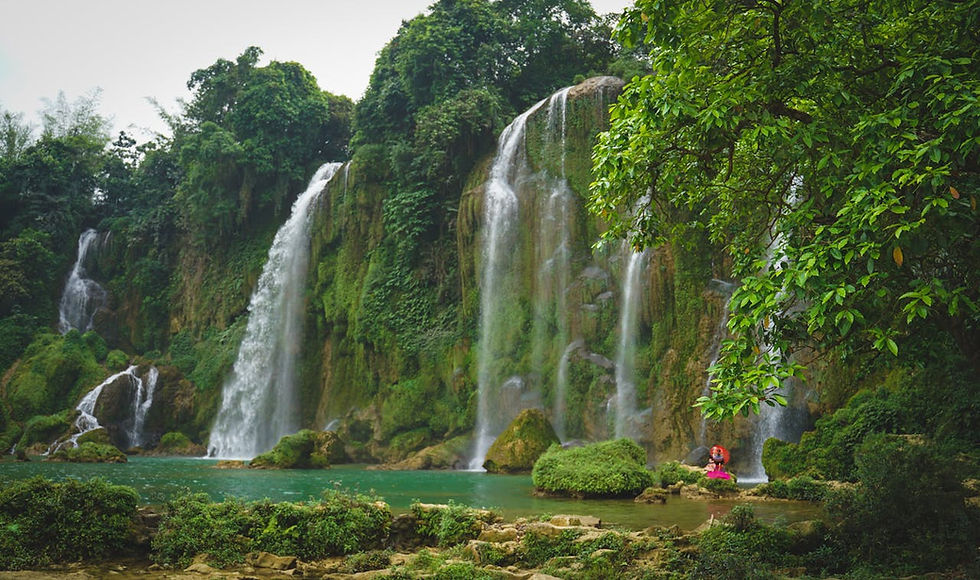
Thailand’s 15 most spectacular waterfalls give you a proper mix of wild nature and easy escape in 2026. From deep jungle trails in the north to calm park falls near busy towns, each spot feels different once you stand in front of it.
Some places ask for a short hike, others just a slow walk from the road, but all reward you with cool water and quiet air. When you search for a waterfall in Thailand or even a waterfall near me on your trip, you quickly realise best time to visit Thailand matters more than distance or planning.
Planning a Thailand trip with your crew? We run group trips to Thailand built for travellers aged 18–40: waterfalls, beaches, night markets, all of it.
[Browse our Thailand Group Trip packages] or [chat with us on WhatsApp] and we'll help you plan it in minutes.
Why Thailand's Waterfalls Deserve a Spot on Your 2026 Itinerary
Thailand's waterfalls are not a bonus stop. They shape your whole route. You get cool swims, green cliffs, and quiet pools that don't show up on the usual tourist path. The jungle feels real here. That matters when the rest of your trip is crowded markets and busy streets.
They spread across the north, the central plains, the south, and the island interiors. Each region has a different mood. Some drop hard and heavy. Others sit calm inside forest trails near small villages. No two feel the same.
This guide ranks each spot by access, visual punch, swim quality, crowd levels, and seasonal flow. Why does that last one matter? Monsoon changes everything. A waterfall worth four hours in March can be a muddy ditch in Thailand in October. Know before you go.
These are not just scenic stops. They are decisions. They shift your pace, your Thailand itinerary, and what you take home with you. Pick the right one. It shows.
Understanding Thailand's Waterfall Geography
Thailand waterfalls change completely with region, and that is what makes planning tricky yet exciting. Northern hills feel cold and wild while central zones stay easy and open for quick trips from Bangkok. Southern coasts and islands bring a humid mix where water and limestone shape every fall you see.
Northern Highlands (Chiang Mai, Chiang Rai, Mae Hong Son)
Northern Thailand holds the highest waterfalls, shaped by steep hills and thick forest cover. The land rises fast here, so water drops hard and forms deep green pools. You feel the forest close in, almost like it is guiding your path.
Chiang Mai, Chiang Rai Mae Hong Son offer cooler air, strong water flow, and layered jungle routes that feel raw and fresh. Small villages sit near park edges, and roads twist through misty slopes. The air alone feels different once you start climbing higher.
You usually need longer drives, but the reward is quiet pools and powerful drops surrounded by misty hills.
Central Plains and Plateau (Kanchanaburi, Khao Yai, Phetchabun)
Central Thailand is easy to reach from Bangkok, with waterfalls inside national parks and open forest belts. This region works well for short plans when time is tight. Roads stay smooth, and entry points feel well marked.
Kanchanaburi, Khao Yai Phetchabun give access roads, steady visitor flow, family friendly trails that suit short weekend trips. You often see picnic spots near water streams. It feels organised yet still close to nature.
You get balanced scenery with calm pools, easy hikes waterfalls that stay active through most of the year.
Southern Peninsula (Krabi, Surat Thani, Nakhon Si Thammarat)
Southern Thailand shows a different face with limestone cliffs, dense tropical forest, and waterfalls that meet coastal humidity. Rain arrives heavier here, and the ground stays rich and wet. Everything feels alive and slightly unpredictable.
Krabi, Surat Thani and Nakhon Si Thammarat bring hidden jungle paths, rocky terrain, and heavier rainfall that keeps water levels strong. Trails often pass caves and sharp rock walls. The setting feels dramatic without trying too hard.
You feel the humidity, but the waterfalls stay powerful and sit close to limestone caves and cliffs.
Islands (Koh Samui, Koh Phangan, Koh Lanta)
Island waterfalls in Koh Samui, Koh Phangan and Koh Lanta small in scale but easy to reach from beach towns. They sit close to daily island life, so reaching them never feels like a big effort. A short ride often gets you there.
They depend on seasonal rain, so flow changes fast, but surroundings feel calm and close to island life. You may find locals passing by during daily routines. It feels simple and relaxed.
You visit them for short stops, light walks, break from beach rather than long trekking days.
Why Geography Matters for Planning
Geography decides when planning waterfall trips in Thailand, from temperature to road access and hiking effort. Every region demands a different kind of preparation. That is where many first timers get surprised.
Higher regions feel cooler and need longer drives, lowlands stay humid and easier to reach from cities. Your comfort level changes a lot based on where you go. Even travel time shifts more than expected.
This shapes your timing, energy, even which waterfalls you should pick for a smooth travel experience.
Thailand waterfalls vary strongly by region, from cold northern hills to humid southern coasts. Central areas stay the easiest for quick travel from Bangkok. Islands offer short, simple visits shaped by seasonal rain and relaxed beach life.
Best Time to Visit Thailand Waterfalls
The best time to visit Thailand waterfalls depends on water flow and safety. Dry months give clear pools and open trails. Monsoon brings powerful cascades. Timing also shifts by region and what you want from the trip.
Dry Season (Nov–April)
November to April is the most visited window. Water flow drops, paths dry out, and swimming pools turn clear and calm. That combination is hard to beat.
Trails stay open across most national parks, and crowds stay light. Photos come out sharp. Walks feel easy. Most people who want a relaxed, safe visit pick this window and leave happy with the call.
Monsoon Season (May–Oct)
Rain arrives in May and changes everything fast. Rivers swell, flow surges, and some of the country's most famous waterfalls look their most striking. Strong? Yes. Safe everywhere? No.
Flash flood risk rises sharply.
Some remote trails close without notice. Erawan and Thi Lo Su hit their visual peak during this time, with heavy flow and deep green forest around them. Check park updates before you go. Don't skip that step.
Sweet Spot (Sept–Nov)
Thailand in September to November often hits the best balance. Rain starts pulling back. Rivers still carry enough water to keep falls running strong. The scenery holds up. The risk drops. North Thailand tends to dry out earlier than the south.
Southern areas can stay wet well into November. Pick your region first, then lock the dates. This window suits people who want strong visual impact without the worst of the monsoon risk. Most do.
How to Choose the Right Waterfall for Your Trip: By Travel Style
Picking waterfalls in Thailand isn’t really about ticking boxes, it’s more about knowing what kind of day you want. Some places are slow and easy, others will have you hiking like you’re on a mission. Once you get that clear in your head, everything else falls into place.
For families with children
If kids are coming along, you want things simple. Short walks, safe paths, and water that’s more playful than powerful. Nobody wants stress on a family trip, right?
Thailand has a few waterfalls where you can just relax, spread out a mat, and let the kids splash around safely. These spots usually have parking close by too, which makes life easier when you’ve got bags and snacks.
Erawan Waterfalls
Khlong Phlu Waterfall
Mae Sa Waterfall
For serious trekkers and adventure seekers
Now this is for the ones who don’t mind sweating a bit. Some waterfalls sit deep inside forests, and getting there is half the experience.
You’ll deal with long trails, uneven paths, and sometimes barely any signboards. But that’s exactly the fun of it. The quieter it gets, the more rewarding it feels when you finally hear the water.
Thi Lo Su Waterfall
Mae Ya Waterfall
Haew Narok Waterfall
For photographers and content creators
If you’re chasing that perfect shot, timing matters more than anything else. Morning mist, soft light, or even rainbow spray when the sun hits right, that’s what you want.
Some waterfalls in Thailand naturally frame themselves well, with layers or clean drops that make photos pop without much effort.
Wachirathan Waterfall
Mork Fa Waterfall
Pha Charoen Waterfall
Erawan Waterfalls
Mae Koeng Waterfall
For off-the-beaten-path travelers
Then there are the quieter ones. The kind you don’t just stumble upon by accident.
These waterfalls usually take more effort to reach, sometimes even permits or long drives. But once you’re there, it’s just you, the water, and a lot of silence. In 2026, when popular spots feel busier, these places hit differently.
Khlong Lan Waterfall
Huay Mae Khamin Waterfall
Mae Koeng Waterfall
The “best” waterfall in Thailand really depends on how you like to travel. Easy going family day, tough trek, photo chase, or quiet escape, each style has its own match. Once you know that, choosing becomes almost effortless.
The 15 Best Waterfalls in Thailand
Thailand waterfalls range from easy roadside stops to deep jungle hikes. This list ranks fifteen on travel value: visual impact, swim access, year-round flow, and how each place actually feels in 2026.
1. Thi Lo Su Waterfall: Wild Giant of Tak Province
Raw power hits first. The sound reaches you before the view. Thi Lo Su sits inside Umphang Wildlife Sanctuary, Tak province, about 160 km from Mae Sot. Water drops in wide tiers over dark rock. The pools run deep green, and thick jungle closes in from all sides. Hike, raft, and camp nearby.
Guided access is required for deeper zones. Roads near park entry get rough. November to February gives steady flow. Visitor caps in 2026 keep crowds lower than past years. Entry costs about 300 THB, camping permits extra.
Need to Know: 300 THB entry
Nearest City: Mae Sot
Don't miss: multi-tier upper trail view
2. Erawan Waterfall: Seven Tiers, All Swimmable
Nature stacked these seven pools like stairs. Each step up brings different depth, different fish, different light. Erawan sits inside its national park in Kanchanaburi, about 65 km from the city. Swim between levels and climb rock edges to move higher.
Trails connect all tiers. No guide required. After level four, paths get steep. Slippery rocks are real during monsoon. November to April is the safe window. Upgraded walkways reach upper tiers in 2026. Entry is 300 THB.
Need to Know: 300 THB entry
Nearest City: Kanchanaburi
Don't miss: tier 7 viewpoint
3. Mae Ya Waterfall: Silver Wall in Doi Inthanon
Water falls like a flat curtain here. Wide, steady, loud. Mae Ya sits inside Doi Inthanon National Park in Chiang Mai province, about 60 km from the city. The cascade spreads across layered rock. Mist rises through the jungle canopy above the base pool.
A short paved path leads from the car park. No trekking needed. Photography works best before 9am when mist still holds. Heavy rain makes flow stronger but harder to approach. June to February is the peak window. Entry is 300 THB.
Need to Know: 300 THB entry
Nearest City: Chiang Mai
Don't miss: early morning mist shots
4. Huay Mae Khamin Waterfall: Seven Quiet Tiers
Soft water sounds reach you through thick forest before the falls appear. Huay Mae Khamin spreads across seven tiers inside Srinakarin National Park, about 110 km from Kanchanaburi. Each level runs calm. Shallow pools sit over smooth flat rock. Lower tiers are safe for swimming.
Forest paths between tiers are shaded and easy. Monsoon lifts flow but cuts access routes. October to March is the right window. Eco controls in 2026 limit peak crowds. Entry is 300 THB.
Need to Know: 300 THB entry
Nearest City: Kanchanaburi tier 4 wide pool
5. Khlong Lan Waterfall: Curtain Drop Near Kamphaeng Phet
You hear it before parking. A low thunder that builds as you walk closer. Khlong Lan drops from a tall cliff inside its national park, about 30 km from Kamphaeng Phet. It spreads wide, not deep. The curtain effect is dramatic from base level.
A short paved path connects car park to the viewing area. Swim zones sit below the main drop. Heavy rains in peak monsoon can close access. July to January stays open. Safety barriers upgraded in 2026. Entry is 300 THB.
Need to Know: 300 THB entry
Nearest City: Kamphaeng Phet
Don't miss: wide base view
6. Wachirathan Waterfall: Where the Spray Makes Rainbows
Rainbows form in the spray here most mornings. Not always. But often enough to plan around. Wachirathan sits on the slopes of Doi Inthanon in Chiang Mai, about 70 km from the city. It drops in a hard single flow over black rock. The force is significant.
A short walk from the car park reaches the main viewpoint. Morning light gives the best rainbow spray angle. Swimming is not safe here. The current is strong. June to February carries the best flow. Viewing decks improved in 2026. Entry is 300 THB.
Need to Know: 300 THB entry
Nearest City: Chiang Mai
Don't miss: rainbow spray angle
7. Mork Fa Waterfall: Cool Pool in Doi Suthep Forest
Cool air hits before the water comes into view. Mork Fa sits inside Doi Suthep-Pui National Park, about 60 km from Chiang Mai. The falls split through rocks and drop into a wide base pool. Good depth for swimming.
Swim zones are marked and patrolled. Short trails connect picnic spots nearby. Monsoon months bring stronger flow but less clear water. July to January gives the best swim window. Picnic zones expand in 2026. Entry is 100 THB.
Need to Know: 100 THB entry
Nearest City: Chiang Mai
Don't miss: natural pool swim
8. Pha Charoen Waterfall: Steps Cut Into Rock
Water steps down in clean geometric layers here. Not carved. Just formed that way. Pha Charoen sits in Tak province inside Mae Wong National Park, about 60 km from Mae Sot. The structure looks designed. Lower pools hold depth for swimming.
Forest paths between levels are mild. A slow walk is enough. Monsoon brings better visuals but rocks get slippery. August to February keeps access stable. Better signage in 2026 helps navigate between tiers. Entry is 200 THB.
Need to Know: 200 THB entry
Nearest City: Mae Sot
Don't miss: lower tier pools
If any of these waterfalls are on your list, we can get you there. Our Thailand group trips cover the north, Kanchanaburi, and the islands.
[Browse Thailand Group trips] or [drop us a WhatsApp] and we'll sort the rest.
9. Haew Narok Waterfall: Deep Drop in Khao Yai
A low roar fills the air before the cliff appears. Haew Narok drops hard into dense forest valley inside Khao Yai National Park, about 90 km from Nakhon Ratchasima. Vertical drop, multiple layers, no swimming. Wildlife zones below the falls close the base.
A short but steep trail connects the car park to the main overlook. Heavy rain closes trails fast. June to January holds the longest open window. Safety railings upgraded in 2026. Entry is 300 THB.
Need to Know: 300 THB entry
Nearest City: Nakhon Ratchasima
Don't miss: cliff viewpoint
10. Mae Klang Waterfall: Family Stop at Doi Inthanon Base
Water is visible from the car park. No walk needed. Mae Klang sits at the base of Doi Inthanon, about 60 km from Chiang Mai. It flows in wide, gentle steps over flat rock. Feet-deep in most spots. Safe for kids.
You picnic and relax at the edge. No trekking here at all. Monsoon makes flow stronger and still safe. May to February keeps the site open. Family seating areas improve in 2026. Entry is 300 THB.
Need to Know: 300 THB entry
Nearest City: Chiang Mai
Don't miss: lower picnic rocks
11. Siriphum Waterfall: Two Streams, One Cliff
Two streams fall side by side down a steep cliff face. They stay separate all the way down. Siriphum sits inside Doi Inthanon National Park in Chiang Mai, about 65 km out. The drop is vertical and clean. Terrain is too steep for swimming.
A short uphill forest path leads to the main view. Photography is the draw. Viewing decks strengthen in 2026. June to February runs best. Entry is 300 THB.
Need to Know: 300 THB entry
Nearest City: Chiang Mai
Don't miss: twin stream shot
12. Khlong Phlu Waterfall: Island Pool on Koh Chang
A deep pool sits hidden inside island forest. Khlong Phlu falls inside Koh Chang National Park, Trat province, about 30 km from the ferry pier. Water drops into a wide swim basin with good depth and clear water.
A 20 to 30 minute forest walk leads in. Swimming is the main reason to come. Monsoon months reduce clarity. November to April keeps it clean and calm. Boardwalks in 2026 cut slip risk on the trail. Entry is 200 THB.
Need to Know: 200 THB entry
Nearest City: Trat
Don't miss: main swim pool
13. Sai Yok Noi Waterfall: Rail Stop Beside the River
Historic rail lines run right beside this one. Small waterfall, big context. Sai Yok Noi sits in Kanchanaburi, about 50 km from city. Flow is gentle. The pool is shallow and calm. It suits a quick stop more than a full day.
You picnic, photograph, and move on. No trekking needed. June to January holds steady flow. Rail heritage info improves at tourist stops in 2026. Entry is 100 THB.
Need to Know: 100 THB entry
Nearest City: Kanchanaburi
Don't miss: rail backdrop
14. Phlio Waterfall: Fish Pool Near Chanthaburi
Clear water full of fish sits at the base here. You see them before the falls. Phlio sits inside Namtok Phlio National Park, about 14 km from Chanthaburi. The flow drops into a wide, calm pool. Fish fill the lower basin in dense numbers.
Short paved paths loop the site. Feeding fish is allowed with care. Swim zones are marked. November to March runs best. Fish rules tighten in 2026. Entry is 200 THB.
Need to Know: 200 THB entry
Nearest City: Chanthaburi
Don't miss: fish pool
15. Mae Surin Waterfall: Silent Drop in Mae Hong Son
Silence hits first. Then the sound of water somewhere below. Mae Surin sits inside Mae Surin National Park in Mae Hong Son province, about 60 km from town. The falls drop through forest cliffs into a deep valley. No swimming here. The terrain and depth both block it.
A short hike from basic parking leads to the overlook. Roads stay rough in 2026 despite minor upgrades. July to January gives the best flow. Entry is 200 THB. Remote and worth it.
Need to Know: 200 THB entry
Nearest City: Mae Hong Son
Don't miss: valley overlook
Thailand waterfalls don't follow one pattern. Some hit hard and loud from the first step. Others reveal slowly through forest. Some are swim spots. Others are just for looking. Choose based on the kind of day you want, not just the rank.
Entrance Fees, Transport & Getting There
Getting to waterfalls in Thailand is usually easy, but the details change a lot depending on where you are. Some spots sit right next to roads, while others need a bit of effort through forest tracks. Once you understand fees, transport, and base cities, planning becomes much less confusing.
National Park Fees in 2026
Most waterfalls sit inside national parks, so you pay an entry fee when you go in. In 2026, foreigners usually pay more than locals, and vehicles may get a small extra charge. The good part is one ticket often covers multiple waterfalls in the same park. So you don’t pay again every time you stop.
Getting There Without a Car
You don’t really need a car for most popular waterfalls. In places like Chiang Mai and Krabi, shared songthaews run from town and drop you near park gates. Motorbike rentals are another common choice if you’re comfortable riding. Many travellers also go for day tours since they handle everything in one go.
Getting There With a Car
A car gives you freedom, especially if you want quieter waterfalls. Roads in dry season are mostly smooth, but monsoon rain can make them tricky. Some remote waterfalls need a 4WD because the last stretch can get steep and muddy. It’s the kind of drive where you slow down and just take it easy.
Regional Bases for Waterfalls
Where you stay really shapes your waterfall trips. Bangkok works well for Kanchanaburi and Erawan. Chiang Mai is your base for northern falls like Mae Ya, check the best time to visit Chiang Mai before locking your dates.
Down south, Krabi and Surat Thani connect you to jungle waterfalls. Picking the right base saves hours on the road.
Maps and Offline Navigation Apps
Signal often drops once you enter national parks, so don’t rely on live maps. Apps like Maps.me work well because you can download routes ahead of time. AllTrails is useful for checking trails and difficulty. Download everything before you leave town, because inside the forest, your phone might just go silent.
Thailand Waterfall Itineraries: 3 Routes for Different Trip Lengths
Thailand waterfalls fit short trips and long ones. These routes cut the planning noise. Pick your days, follow the logic, and move without second-guessing.
Route 1: 3 Days: Northern Chiang Mai Waterfall Circuit
Three days in Chiang Mai highland country works as a clean mountain loop. Day one goes into Doi Inthanon National Park. Mae Ya and Wachirathan hit hard early. Big water, steep drops, strong first day.
Day two slows near Siriphum, where mist hangs low on forest paths and the flow is soft and quiet. You sleep in Chiang Mai city and leave early each morning. Crowds are thin before 8am. The cool mountain air holds until mid-morning. Start there.
Route 2: 5 Days: Central Thailand & Kanchanaburi
A 5 days itinerary in Thailand through central Thailand and Kanchanaburi gives you waterfalls, forest, and Bangkok within reach. Erawan Falls anchors day one.
The turquoise pools pull most people in fast. Day two and three push deeper with Khlong Lan and Kaeng Sopha. Both run quieter.
Then Khao Yai National Park adds Haew Narok and Haew Suwat inside real forest with wildlife close. You base in Kanchanaburi or Bangkok. Hostels, river stays, city hotels, the range is wide. Check Thailand trip cost estimates before you pick by budget.
Route 3: Island Waterfall Weekend: Koh Samui & Koh Phangan
A weekend island loop across Koh Samui and Koh Phangan fits two days well. Hin Lat on Samui gives a shaded jungle walk with no long climb. Phaeng on Phangan adds island views and a short trail up.
The ferry between islands runs often. Samui to Phangan takes under an hour. This route pairs best with beach time. Sea in the morning, waterfall by midday. That balance is the point.
Conclusion
Thailand waterfalls in 2026 and beyond face rising crowd pressure at popular sites, especially Erawan, as visitor numbers keep climbing each season. Responsible visiting now matters, as travellers shift toward places to visit in Thailand beyond the usual circuit.
National parks are raising entry fees and testing permit systems at remote waterfalls, aiming to protect fragile zones while managing footfall better. If you could only visit one, Thi Lo Su stands apart for scale, remoteness, and raw forest feel, giving you a complete Thailand waterfalls experience that stays with you long after the journey ends.
If this blog got you thinking, let's make it happen. We run small group trips to Thailand for young travellers from across India.
[See our Thailand group trip packages] or [WhatsApp us right now] and we'll take it from there.
Frequently Asked Questions
What is the most famous waterfall in Thailand?
Erawan Falls is widely seen as the most famous waterfall in Thailand. It sits inside Erawan National Park in Kanchanaburi. The seven-tiered cascade draws visitors for its clear green pools. You can swim in several levels, making it a popular day trip from Bangkok.
Where are the 7 waterfalls?
Seven waterfalls refer to the seven tiers of Erawan Falls in Thailand. They are located inside Erawan National Park in Kanchanaburi province. Each level flows into another with natural pools. You can hike upward to see all tiers, starting from the base entrance trail.
What is the tallest waterfall in Thailand?
Thi Lo Su Waterfall is the tallest waterfall in Thailand. It lies in Tak province inside Umphang Wildlife Sanctuary. The multi-tier drop spreads across forest cliffs with strong seasonal flow. Reaching it needs a long journey, but the scale and silence make it worth the effort.
What is the biggest waterfall in Chiang Mai?
Mae Ya Waterfall is often called the biggest waterfall in Chiang Mai province. It sits inside Doi Inthanon National Park. The wide curtain of water spreads over rock layers. You can view it from a distance as well as from nearby viewpoints along short trails.
Which is Asia’s largest waterfall?
Thi Lo Su Waterfall in Thailand is often counted among the largest waterfalls in Asia by seasonal flow and width. It sits deep inside Umphang Wildlife Sanctuary. The cascade changes size through the monsoon. Its remote setting adds to its scale and untouched forest surroundings.


Comments