
Community Trips in India 2026: Complete Guide for Travellers

Updated: May 13
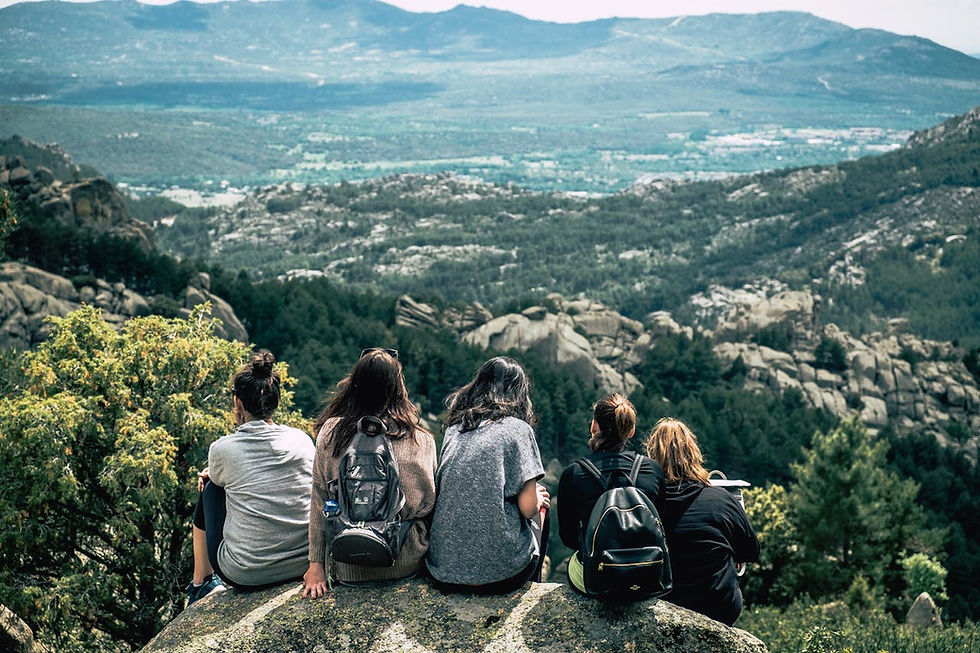
You want to travel. No one to go with. That problem has a fix. Community trips let strangers share a planned route, split costs, and build moments together. No agency pushing a fixed tourist clock. No solo awkwardness. Just a group of 18 to 40 year olds who showed up for the same reason.
This is not a package tour. You pick people, not just places. 2026 demand is up across India. If you are looking at group trips in India, the options have never been wider. Start here.
What Is a Community Trip in India?
A community trip in India is when strangers travel together because they share one interest. You pick fixed dates, register online, and join a group of unknown people. It feels planned but still open and social at the same time. Everyone arrives with the same idea of exploring, not just sightseeing.
After booking, you usually get added to a WhatsApp group or travel app space. That is where names turn into faces before the trip even begins. The organiser sets transport, stays, and route details in advance. You just show up and follow the flow of the plan.
Unlike a traditional tour, there is no guide constantly instructing every stop. Nobody reads out a script at each location. The structure exists, but it does not feel strict or heavy. The experience shifts with the group energy and daily mood.
By the end, it stops feeling like strangers travelling together. It feels more like moving with friends you have not met before.
Community Trips vs Traditional Group Tours: What Actually Changes
Two people book a trip to Spiti Valley. One joins a community trip. One books a package tour. They visit the same places, sleep near the same passes, and eat at similar dhabas. The trip feels nothing alike. That gap is not about budget or itinerary. It shapes who you meet, how the day moves, and what you carry back home.
Group formation and who you travel with
Ask yourself who fills the seat next to yours. On a community trip, people sign up with intent. They want shared time with people who travel at a similar pace. The group forms around that pull. Strangers bond fast because the reason they are there is already the same.
This is especially true on group trips for solo travelers, where intent pulls people together from the start. Package tours work on volume.
Anyone who books that route joins the same coach. You might sit next to a couple on their fifth holiday, a family with young kids, or someone who picked the cheapest deal on a flight booking site. No one chose anyone. That unevenness shows up by day two.
Pace of travel and daily flexibility
Fixed timing is the backbone of a package tour. That is not a complaint. It is just the design. You leave at 7, reach by noon, photograph by 3, and check in by 5. The schedule holds because 20 people cannot all agree to linger. The clock moves everyone forward.
Community trips breathe a little. If a lake road feels right at dusk, the group often stretches time there. If a chai stall becomes a 40-minute conversation stop, that counts as part of the day. Not every trip runs this way. But the room exists.
Pricing model and what you actually pay for
Package tour pricing looks clean up front. One number, everything in. But operator margins sit inside that number. Changes cost extra. Upgrades cost extra. The structure favors people who want zero friction and plan nothing.
Community trips split costs across the group. You pay for what the group uses. No markup layer for hotel room blocks sold in bulk. Transparency is built in because the cost breakdown affects everyone. That suits people who want to know where the money goes.
Accommodation style and living experience
Hotels give you a door that closes. That is useful. But on most package tours, the corridor is the only shared space. You wave at other guests. You eat at separate tables. The trip stays personal.
Community trips lean toward hostels, shared rooms, or homestays. Common areas become the real venue. Cards at 11pm, chai on the roof, route planning on someone's phone screen. Those moments do not appear in any itinerary. They just happen when people share a living space instead of a floor.
Emotional outcome and what you take back home
Here is the honest part. Most package tourists come home with good photos and a clear sense of places visited. The trip worked. Nothing went wrong. But it stays external. You saw the thing. You did not feel part of it.
Community trip memories feel shared. Someone else was there for the same moment. You can text them about it. The conversations keep going after the trip ends. That is not a small thing. For solo Indian travellers in their 20s and 30s, that connection is often the whole reason to go.
Best Community Trips in India by Region
Community trips in India feel different depending on where you go. Geography shapes the people, the pace, and how quickly strangers stop feeling like strangers. Beaches build one kind of bond. Mountains build another.
If your base city is the capital, group trips from Delhi cover most of these regions with easy departure options. Deserts and the Northeast build something else entirely.
Goa Community Trips
Salty air and shared scooters do most of the work here. By sunset on day one, strangers are making plans together. The nights run long, music starts conversations, and beaches finish them.
Ideal group profile: First-time group people and solo travellers both land well here. Easy social settings and late-night energy are the draw.
Best months: November to February
Cost: Rs 6,000 to Rs 12,000 for 3 to 4 nights
What makes the format work is how little effort bonding takes. Shared hostels in North Goa and beach day plans keep the group moving together. If you are planning a Goa group trip, this format makes the most sense for first-timers.
South Goa gives slower mornings for people who need them. The mix of loud and quiet spots keeps group energy from peaking too fast.
Himachal Community Trips
Cold air and winding roads push people closer before they even reach camp. The mountains slow everything down. Conversations feel longer up here.
Ideal group profile: Trekkers, backpackers, and people who want physical activity with a social side.
Best months: May to June, September to October
Cost: Rs 7,000 to Rs 14,000 for 4 to 5 nights
Treks like Kheerganga do the bonding work for you. You walk together, eat together, and end up planning the next trail before the current one ends. The terrain forces shared timing. That shared timing builds trust fast. This is the format for groups who want something they actually earned.
Rajasthan Cultural Trips
Forts, deserts, and old cities set a slow pace here. No one rushes in Rajasthan. Evenings end with music under open skies and stories from people you met three days ago.
Ideal group profile: Culture lovers, photography people, and those who enjoy structured days with social nights.
Best months: October to February
Cost: Rs 8,000 to Rs 16,000 for 5 to 7 nights
The Jaipur to Jodhpur to Jaisalmer circuit keeps groups on a shared route without forcing it. Desert camp nights create the kind of shared memory you keep talking about later. Guided fort walks also keep the group aligned through the day. The structure here is light enough to feel free but clear enough to avoid group drift.
Ladakh Adventure Communities
Thin air and wide silence hit you first. Every group moment feels sharper up here. The journey becomes the bond, especially on long road stretches where words are scarce and the view does the talking.
Ideal group profile: Riders, adventure seekers, and people who are comfortable with basic setups at high altitude.
Best months: June to September
Cost: Rs 15,000 to Rs 28,000 for 7 to 8 nights
Bike convoys from Manali to Leh sync the group naturally. Cold nights and altitude make people depend on each other early. Stops at Nubra Valley and Pangong add shared visual markers that the group carries long after they're home. This is the most intense bonding format on this list. Not for everyone. Right for the right group.
Northeast India Community Trips
Slower, greener, and far less crowded. The Northeast strips away distraction. Groups talk more and scroll less here. That shift happens fast.
Ideal group profile: Young people aged 25 to 35 who prefer offbeat routes and a calmer group pace.
Best months: October to December
Cost: Rs 10,000 to Rs 18,000 for 6 to 7 nights
Meghalaya and Tawang routes are still light on commercial tourism. Groups travel close together by default. Waterfalls, valley walks, and homestay stays keep interaction constant. The absence of big crowds means conversations happen without effort. This is where close-knit group circles form.
Summary Takeaways
Each region builds a different kind of bond. Goa lowers social barriers fast. Himachal builds trust through shared effort. Rajasthan creates cultural flow. Ladakh bonds people through shared challenge. The Northeast builds quiet, close connections that hold.
Types of Community Trips in India
Community trips in India come in different shapes depending on how you like to travel. Some are slow and cultural, some are fast weekend escapes, and some mix work with travel. In 2026, you’ll mostly find structured travel groups built around shared interests rather than just destinations.
Backpacking community trips
Backpacking community trips are the most flexible way to start travelling with strangers who quickly feel like friends.
Anyone can sign up, no strict selection process
Dorm stays or shared rooms keep costs low
Fixed route helps avoid planning stress
Group moves together from start to end
You usually meet people who are just as curious and slightly unsure as you are. And that makes the first night awkward in a good way, then comfortable by day two.
Weekend community trips
Weekend trips are built for city life routines that rarely slow down.
Short 2-night escapes
Friday night departures from major cities
Sunday return, ready for work again
Simple itineraries with low fatigue
These trips feel like pressing a reset button without needing leave approvals or long planning talks.
Trek-based communities
Trek groups are formed based on how fit you are, not just where you want to go.
Easy, moderate, and difficult tracks
Basic fitness checks before joining
Guides adjust pace for safety
Popular in mountain regions like Uttarakhand and Himachal
You don’t get left behind or rushed ahead, which makes the experience balanced for everyone.
Cultural immersion trips
These trips slow everything down in a good way.
Stay in local homes instead of hotels
Learn cooking and small craft skills
Pick up bits of local language naturally
Travel becomes more about living than moving
You start noticing small daily habits of places you usually just pass through.
Remote work & travel communities
These trips mix office life with travel freedom.
Co-working spaces with reliable internet
Shared stays with other remote workers
Balance between deadlines and exploration
Popular among freelancers and startup teams
Work still happens, but the backdrop keeps changing, which makes long work weeks feel lighter.
Festival trips
Festival trips are built around India’s biggest cultural moments.
Holi celebrations in Mathura and Vrindavan
Hornbill Festival groups in Nagaland
Desert Festival journeys in Jaisalmer
Travel timed around major seasonal events
These trips feel intense, crowded, and unforgettable in a way regular travel rarely does.
How Much Do Community Trips in India Cost?
Prices range from a quick ₹2,500 weekend trip to a ₹30,000 Himalayan journey. Duration, region, and what gets bundled in all shift the final number. Most community trips sell you one flat price. That covers stays, transport from your base city, and the listed things to do. No juggling five separate bookings.
What's typically included in community trips in India?
Transport from the base city is in. So are shared stays and guided things to do. Most trips also cover breakfast, and entry fees for listed spots are built into the price. You show up at the meeting point. The rest is handled.
This setup keeps the group on the same page from day one. No one argues about who paid for what. Costs stay fixed before you leave.
What's not included?
Your flights or train tickets to the starting point stay out of the package. Book those yourself, early. Personal shopping, alcohol, and extra snacks are also outside the shared cost on most trips.
Keep a small buffer ready. ₹1,500 to ₹2,000 usually covers it for a weekend trip. More for longer routes.
Community trip cost ranges in INR
Weekend trips run ₹2,500 to ₹5,000. Four to five night domestic trips land between ₹6,000 and ₹14,000. Premium routes like Ladakh or Spiti go from ₹15,000 to ₹30,000. International trips range from ₹35,000 to ₹80,000.
All of these cover transport from the base city, shared stays, basic things to do, and some meals. You pay once. No per-item billing mid-trip. Always check what's listed. Some operators strip out basics and charge them later. That's where the number quietly goes up.
How to Choose the Right Community Trip in India
Picking the right community trip in India is less about flashy posters and more about how well the trip fits your pace, comfort, and travel style. If you rush this part, you might end up in a group that feels off or an itinerary that drains you instead of exciting you. A bit of filtering upfront saves a lot of awkward travel moments later.
1. Match your budget to the trip type
Community trips in India come in clear price layers, and you need to match them with what you can comfortably spend. Short budget trips often sit around ₹8,000 to ₹15,000. Mid-range ones usually fall between ₹15,000 and ₹35,000.
Premium curated experiences can cross ₹50,000 depending on stays and activities. The real trick is checking what is actually included, not just the headline price.
2. Check group size
Group size quietly decides the whole mood of your trip. Smaller groups of 8 to 14 people usually feel easy and social, where everyone actually connects. Bigger groups can feel scattered, with less bonding and more waiting around. If you want real conversations and shared moments, smaller is usually better.
3. Read cancellation and refund policy
This part might feel boring, but it matters a lot. A clear refund policy shows the organiser has nothing to hide. You should know what happens if plans change or a trip gets cancelled. If the policy feels unclear or missing, that is already a signal to pause.
4. Fixed itinerary vs flexible flow
Some trips stick to a strict plan, almost hour by hour. Others leave room for detours and spontaneous stops. If you like structure and clarity, fixed itineraries work well. If you prefer a relaxed flow where plans can shift, flexibility will feel better.
5. Check age range and vibe
Photos from past batches tell you the real story. Look at how people interact, not just where they travelled. Age mix also shapes energy levels and conversations. You should aim for a group where you naturally feel comfortable, not just impressed.
6. Verify organiser credibility
A solid organiser has public reviews, clear contact details, and a visible way to reach support. You should be able to trace past trips easily. If information feels incomplete or scattered, that is usually not a good sign.
Red flags are easy to spot once you slow down. Vague inclusions, no refund clarity, and zero traveller feedback usually point to weak planning. If organisers avoid questions or go silent after payment, it is better to step away early.
Challenges of Community Trips (And How to Handle Them)
Group travel in India looks easy on paper. A shared itinerary, a packed bus, new people. Then the first full day hits. Friction shows up fast. Personalities clash, timelines slip, and the mood inside the group shifts in ways nobody planned for. Knowing this early keeps you steady when it happens.
Personality mismatch
Not everyone arrives at the same speed. Some people are loud and open from hour one. Others take two days to stop feeling like a stranger. That gap creates odd silences in shared dorms and tense van rides. You may feel crowded out or ignored, and both feelings come from the same source. People travel differently. That is not a flaw. It is just how groups form.
Pace disagreements on day trips
One person wants to sit at a chai stall for forty minutes. Another wants to check five spots before noon. Neither is wrong. But the gap creates a pull in both directions during a shared day plan. You feel rushed or stuck depending on where you land. It rarely gets talked about openly. It just builds.
Scheduling conflicts within the group
Group timing almost never lines up perfectly. Someone overslept. Someone else was ready an hour ago. Small gaps stack and the morning schedule starts sliding. By afternoon, plans shift and people adjust without saying much. It feels frustrating when it repeats across multiple days. That's normal. It still stings.
One person dragging the group's mood
Every group has one. The person who finds fault first, disengages early, or goes quiet in a way that pulls the air out of the room. Their energy spreads faster than anything positive in the group. You notice the silences growing. You notice others matching the tone. A good day gets duller without anyone choosing that. Hard to fix, easy to spot.
Pre-trip expectation setting
Talk before the trip. Not a long meeting. Just the basics. Pace, group rules, what counts as late, what happens if plans change. Clear expectations cut most friction before it starts. You avoid the shock when reality feels different from what you imagined. Simple and direct works better than no conversation at all.
Having a trip lead
Group decisions without a lead turn into thirty-minute debates over lunch spots. One person with a clear role fixes this. They set the pace, call breaks, move the group from point A to B. The rest of you follow without carrying that weight. Less confusion. Faster days. Not every leader is loud. Some just stay two steps ahead and keep things moving.
Self-rescue and personal space
You do not have to join every activity. Skip one. Sit out. Take a solo walk for an hour. Groups that never break often end up irritable by day three. A short reset changes your read on the whole day. You protect your energy and stay in the trip longer on your own terms. That is not antisocial. It is smart travel.
Conclusion
Community trips in India give you a shared way to travel across diverse regions with new people and planned experiences for solo travellers. You move with a group, so planning feels easier and travel costs often stay balanced across stays, food, and transport making it more manageable.
These trips also help you connect with people, learn local culture, and feel more confident in unfamiliar places. Whether you start with group trips in India close to home or jump straight into an offbeat route, the comfort of a group makes the difference.
Overall, you get structure, social comfort, and meaningful travel moments without losing the freedom of exploring new destinations together in a relaxed way.
Frequently Asked Questions
Are community trips in India safe for solo travellers?
Community trips in India are generally safe for solo travellers when organised by trusted operators. You travel in a guided group with fixed plans and known stays. Most groups have a coordinator who stays with you through the journey. Safety improves because you are never left isolated in unknown places, and you always have fellow travellers around.
What is the average cost of a community trip in India?
The cost of community trips in India usually ranges between budget to mid-range levels. You may spend around ₹8,000 to ₹35,000 depending on duration and destination. Short weekend trips cost less, while longer Himalayan or desert routes cost more. The price often includes stays, local travel, and planned activities in one package.
What is included in most community trip packages?
Most community trip packages include accommodation, internal transport, and planned activities. Some also include meals and local experiences like treks, guided walks, or workshops. You usually do not need to manage daily logistics, which reduces stress. Personal expenses like shopping or extra food outside the plan are generally not included.
What is the best community trip in India for first-timers?
Goa and Himachal trips often work best for first-timers. These routes are easy, social, and well-connected, which helps you settle into group travel comfortably. You get a mix of relaxed days and light activities. The environment feels welcoming, and it is easier to understand how community trips in India actually function.
What is the difference between a community trip and a backpacking trip?
A community trip follows a planned structure with a group led by an organiser, while backpacking gives more freedom and flexibility. You follow a fixed itinerary in community travel, but backpacking allows you to change plans on the go. Community trips suit those who want company, while backpacking suits independent explorers.
What should you pack for a community trip?
You should pack light and practical items for a community trip. Comfortable clothes, basic medicines, and sturdy footwear are important. A small backpack works better than heavy luggage since you move between locations. Weather-appropriate layers help, especially in hill regions where temperatures can change during the day.


Comments